Impact Factor ISSN: 1837-9664


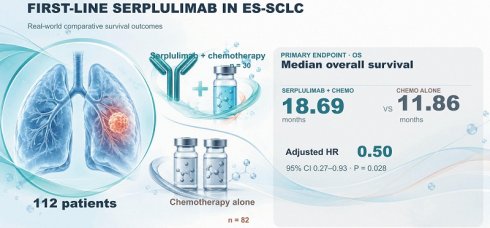
Research Paper Real-World Comparative Survival Outcomes of First-Line Serplulimab Plus Chemotherapy in Extensive-Stage Small-Cell Lung Cancer: A Single-Center Retrospective Cohort Study Full text PDF PubMed PMC
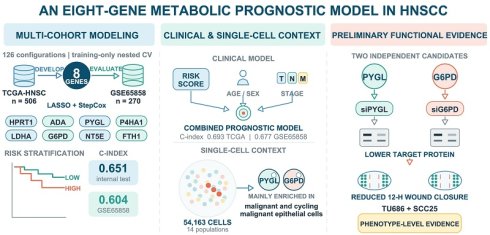
Research Paper An Eight-Gene Metabolic Prognostic Signature in Head and Neck Squamous Cell Carcinoma: Cross-Cohort Evaluation, Single-Cell Analysis, and Preliminary Functional Evaluation of PYGL and G6PD Full text PDF PubMed PMC
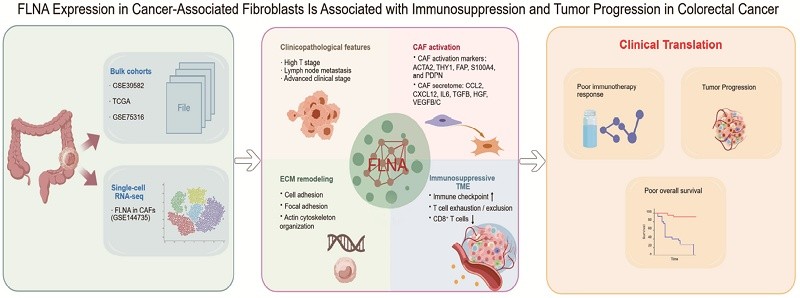
Research Paper FLNA Expression in Cancer-Associated Fibroblasts Is Associated with Immunosuppression and Tumor Progression in Colorectal Cancer Full text PDF PubMed PMC
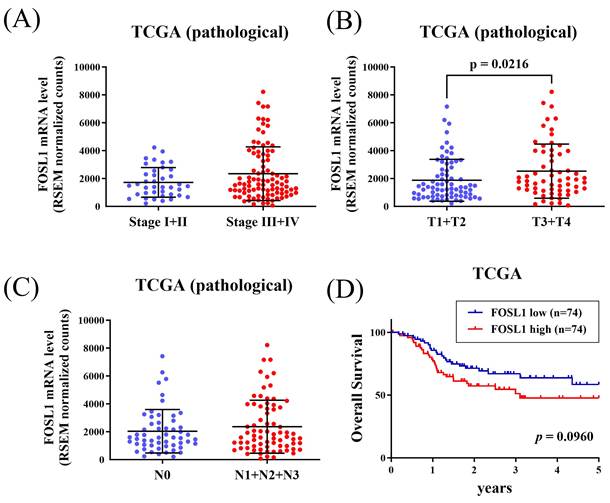
Research Paper Impact of FOSL1 polymorphisms and expression on disease progression in oral tongue squamous cell carcinoma Full text PDF PubMed PMC
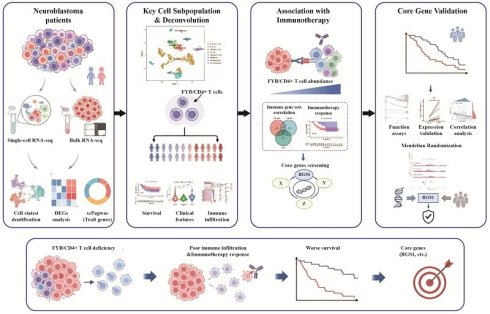
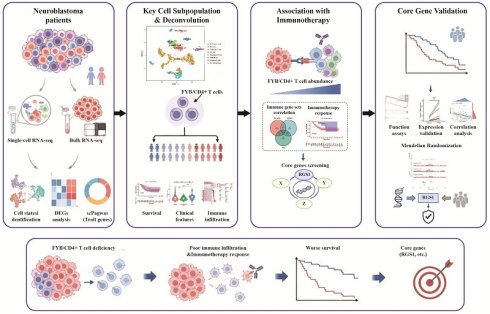
Research Paper The scPagwas analysis of single-cell sequencing combined with Bayesian deconvolution with SMR Reveals Tumor Heterogeneity and Predicts Immunotherapy Response in Neuroblastoma Full text PDF PubMed PMC
Research Paper P-cadherin Overexpression Induces Partial Epithelial-to-Mesenchymal Transition and Confers Chemoresistance in Dysplastic Oral Epithelial Cells Full text PDF PubMed PMC
Issue 10; 2026
Indexed in PubMed and SCI expanded; full texts in Europe PMC. ...
Objective: High-risk neuroblastoma, the predominant driver of pediatric cancer deaths, is marked by marked intratumoral heterogeneity that fuels therapy resistance. To predict response to and targets for immunotherapy, we use single-cell and bulk RNA sequencing data to reveal tumor heterogeneity in neuroblastoma, and to identify prognostic genes for neuroblastoma. Methodology: Single-cell data were analyzed for trait-associated subpopulations and ...
Background: The role of Filamin A (FLNA) in colorectal cancer (CRC), particularly within the stromal compartment, remains poorly defined. This study investigates its expression, function, and clinical relevance in CRC. Methods: We integrated transcriptomic data from the GSE39582 training cohort and TCGA/GSE75316 validation cohorts. Analyses included functional enrichment, tumor microenvironment (TME) assessment (ESTIMATE, TIDE), immune correlation, ...